
 D2DCon
 Golden Door Summit

D2D Roofing Sales Tactics That Close More Doors

- Scripts beat freestyling: A short, repeatable roofing script with a pattern interrupt, a reason, social proof and a low-friction ask outperforms winging it.
- Objections are predictable: Most lost roofing deals come from the same few objections, so write your rebuttals down and drill them.
- Pick better doors: Reading roof age, storm paths and recent work before you knock books more inspections for the same effort.
You’re standing on the porch, you’ve just finished your roofing pitch, the homeowner nods along… and then says the line every door-to-door roofing rep dreads: “This all sounds good, but I want to think about it.” Your close rate has been stuck at the same 20–25% for months, and it feels like every other roof inspection turns into a stall, a price objection, or “I’m getting a few more quotes.” Sound familiar?
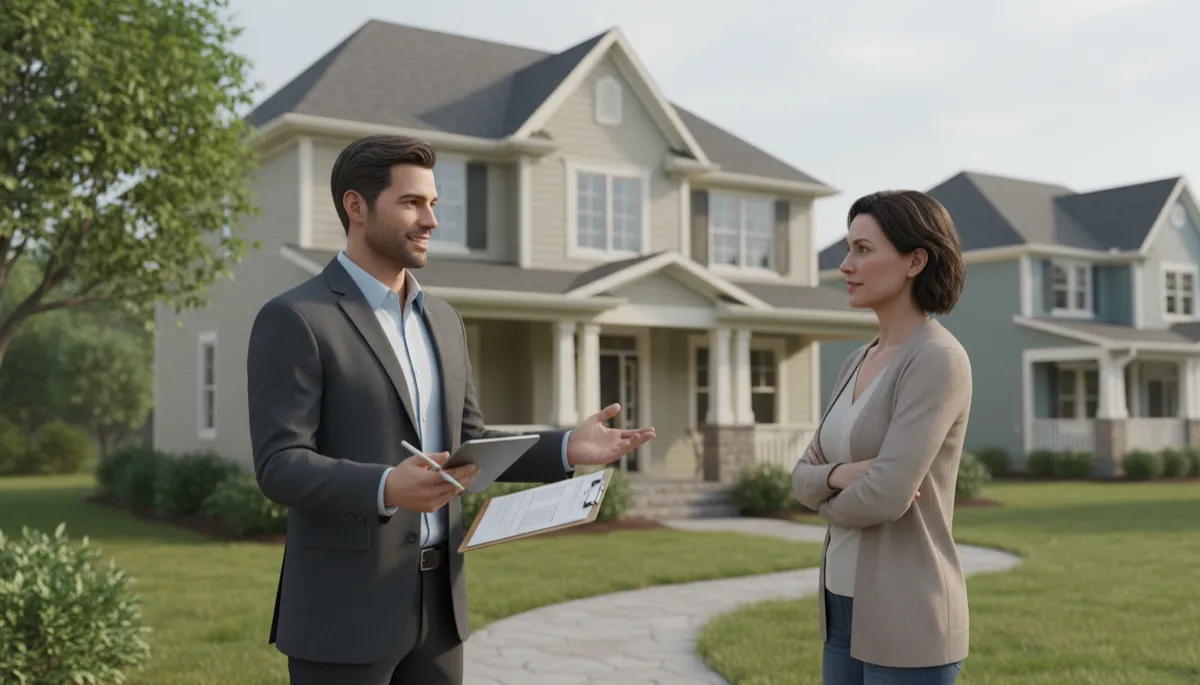
In door-to-door roofing sales, you don’t get paid for “great conversations.” You get paid for signed agreements, inspections booked, and install dates on the calendar. The good news is that if your close rate has stalled or roofing objections keep tripping you up, it’s usually not a talent problem. It’s a tactics problem—one you can fix with the right structure, numbers, and practice.
How to Tighten Your Roofing Sales Script
Top door-to-door roofing reps don’t “wing it.” They follow a simple, repeatable roofing sales script that they’ve tested on hundreds of doors. Here’s the thing: when every pitch is different, you can’t tell which line booked the inspection and which one killed it. A consistent script gives you something to measure, tighten and repeat.
A strong roofing script has four key parts:
- Pattern interrupt: Something short and disarming that doesn’t feel like a typical sales pitch.
- Reason you’re there: Clear, specific, and tied to roofing, storms, or neighborhood activity.
- Social proof: Who you’ve helped nearby and the results they got (repairs, approvals, replacements).
- Low-friction next step: Usually a free inspection or simple walk-around, not “sign here” right away.
Here’s a simple door-to-door roofing opener you can adapt: “Hey, I’ll be quick—I’m not selling anything at the door. I’m with [Company], we’ve been helping a bunch of your neighbors on [Street Name] with storm-related roof inspections. We just got [Neighbor’s Name or ‘three homes down the street’] approved for a full replacement. I’m just letting folks know we’re out here today. Have you had anyone actually get on your roof and look since the last storm?”
Pro Tip: Record yourself running through your roofing sales script 10 times in a row. Listen back, cut the fluff, and tighten any parts where you ramble. The best D2D scripts sound conversational, not robotic.
How to Handle Common Roofing Objections
If you’ve knocked more than a few hundred doors, you’ve heard the same roofing objections on repeat. The top closers on your team aren’t hearing different objections; they’re just prepared for them. Most of the stalls you’ll hear come back to the same four:
- “I want to think about it.”
- “We’re getting more quotes.”
- “We’ll wait until after storm season.”
- “We don’t want to deal with the insurance company.”
Instead of arguing, acknowledge, reframe, and bring it back to value. For example, when you hear “I want to think about it,” try: “Totally fair—this is your home, you should think about it. Just so you’re thinking about the right things, can I share what usually happens when people wait?” Then explain how damage can worsen, how carriers tighten guidelines, or how a simple inspection now can save thousands later.

Top reps treat roofing objections as invitations to educate, not arguments to win.
For “We’re getting more quotes,” you might say: “That makes sense. If I were you, I’d compare more than price, though. We help homeowners compare apples to apples—materials, warranties, and what’s actually covered. If we do a quick inspection, I can show you exactly what another roofer should be quoting you for, so you don’t get shorted.”
Key Takeaway: Have a written list of your top 5 roofing objections and two go-to responses for each. Practice them until they’re second nature. Door-to-door sales becomes much less stressful when objections feel predictable instead of personal.
How to Read a Neighborhood Before You Knock
Not all doors are created equal. In roofing sales, your income is tied to how efficiently you choose where to knock. Knock a random neighborhood and you’ll spend most of your day on roofs that don’t need anything. Read the roofs first, focus on the right pockets, and the same number of doors books more inspections.
- Roof age: Look for 10–20-year-old roofs. Shingles starting to curl, granule loss in gutters, or mismatched repair patches are all green lights for roofing conversations.
- Storm patterns: Use hail and wind maps from the last 1–3 years. Focus on streets that took the brunt of the storm, not just the general ZIP code.
- Signs of past work: Yard signs, new gutters, or one or two fresh roofs in an older neighborhood usually mean insurance carriers are already paying out there.
Before you start your door-to-door route, take 10–15 minutes to drive the neighborhood slowly. Note which streets have the best roofing potential and start there. If you’re tracking your numbers, you’ll quickly see that some blocks are worth far more of your time than others.
Pro Tip: Track “doors knocked per inspection” and “inspections per signed agreement” by neighborhood. After a month, you’ll know exactly where your most profitable roofing doors are.
Why Numbers Beat Hype in a Roofing Pitch
Homeowners are bombarded by roofing sales reps after every storm. What makes you stand out isn’t louder enthusiasm—it’s clear numbers and a calm, professional approach. Homeowners can tell the difference between a rep making big promises and a rep who explains the numbers simply. The second one sounds like a professional, and professionals are the ones who get invited onto the roof.
- Instead of “We’ll get you a free roof,” say: “Based on what we’re seeing in this area, many homeowners are only paying their deductible—often around [your local deductible range]—for roofs that would normally cost [typical local replacement cost].”
- Instead of “We’re the best roofing company,” say: “We’ve completed [number] roofs within [distance] of here in the last [timeframe]. I can point out a few on your street if you’d like to see our work.”
Door-to-door roofing sales is still sales—but when you anchor your pitch in real numbers, approvals, and local examples, you instantly feel more trustworthy. And trust is what gets you on the roof and at the kitchen table, where the real decisions are made.
Why Structured Roofing Sales Training Pays Off
You can absolutely grind your way to better results by knocking more doors, hearing more roofing objections, and tweaking your script on the fly. But the fastest-growing reps in the D2D roofing world aren’t just “learning as they go”—they’re plugging into structured roofing sales training that compresses years of field experience into weeks or months.
That’s where the D2DU roofing certification comes in. Instead of guessing which roofing script works best or hoping you’re handling objections the right way, you get proven frameworks, real door-to-door scenarios, and roofing-specific language that’s already been tested by top reps. Think of it as skipping the 2–3 “trial and error” seasons and jumping straight to the level where you’re closing consistently.
Inside a structured roofing certification, you’ll typically find:
- Dialed-in roofing sales scripts for different situations (storms, retail, referrals, rehash).
- Role-play and breakdowns of real roofing objections, so you’re never caught off guard at the door again.
- Training on reading neighborhoods, understanding roof systems, and speaking confidently with adjusters and homeowners.
If you’re serious about making door-to-door roofing more than just a seasonal hustle—and you want to turn it into a consistent, high-income career—getting certified is a natural next step. It shows your company, your team, and your homeowners that you’re not just “a roofer at the door,” you’re a trained roofing sales professional.
How to Close More D2D Roofing Deals
Put these into practice on your next shift:
- Script your opener. Use a pattern interrupt, a clear reason, nearby social proof and a free inspection ask.
- Write down your rebuttals. List your top five roofing objections with two responses each, then drill them.
- Scout before you knock. Spend 10 to 15 minutes reading roof age, storm paths and recent work.
- Lead with numbers. Quote deductibles, local jobs and approvals instead of big promises.
- Track your ratios. Log doors per inspection and inspections per signed deal by neighborhood.
Frequently Asked Questions
What should a door-to-door roofing script include?
A strong roofing script has four parts: a short pattern interrupt, a specific reason you are on the street, social proof from nearby homes, and a low-friction next step such as a free inspection. Keep it conversational. Record yourself running it ten times, then cut anything that sounds like rambling.
How do you handle "I want to think about it" in roofing sales?
Agree first, then reframe. Tell the homeowner it is their home and they should think it over, then ask if you can share what usually happens when people wait. Explain how storm damage can get worse and why a quick inspection now can save them money later.
Which neighborhoods are best for door-to-door roofing?
Look for streets with 10 to 20-year-old roofs, curling shingles or granule loss, recent hail or wind damage, and a few fresh roofs or contractor yard signs. Those signs usually mean carriers are already paying claims nearby, so your inspection offer lands with more homeowners.
Is roofing sales training worth it for D2D reps?
Structured training shortens the trial-and-error seasons most reps go through. A good roofing certification gives you tested scripts for storm, retail and referral situations, role-play on real objections, and training on reading neighborhoods and talking to adjusters, so you can use it on your very next door.
Conclusion
Right now, you have two options. You can keep doing door-to-door roofing sales the way you have been—same script, same objections, same close rate—or you can tighten your approach, upgrade your roofing pitch, and get serious about training. The reps who separate themselves in this industry aren’t always the loudest or the most naturally gifted. They’re the ones who treat roofing sales like a craft and invest in getting better at it, one door at a time.
If you’re ready to sharpen your roofing sales script, handle objections with confidence, and read neighborhoods like a pro, the D2DU roofing certification is built for you. It’s the fastest way to plug into proven door-to-door roofing systems, real-world numbers, and field-tested strategies that you can use on your very next knock.
Your future roofing commissions, and the homeowners who actually need your help, are waiting on the other side of that door.


